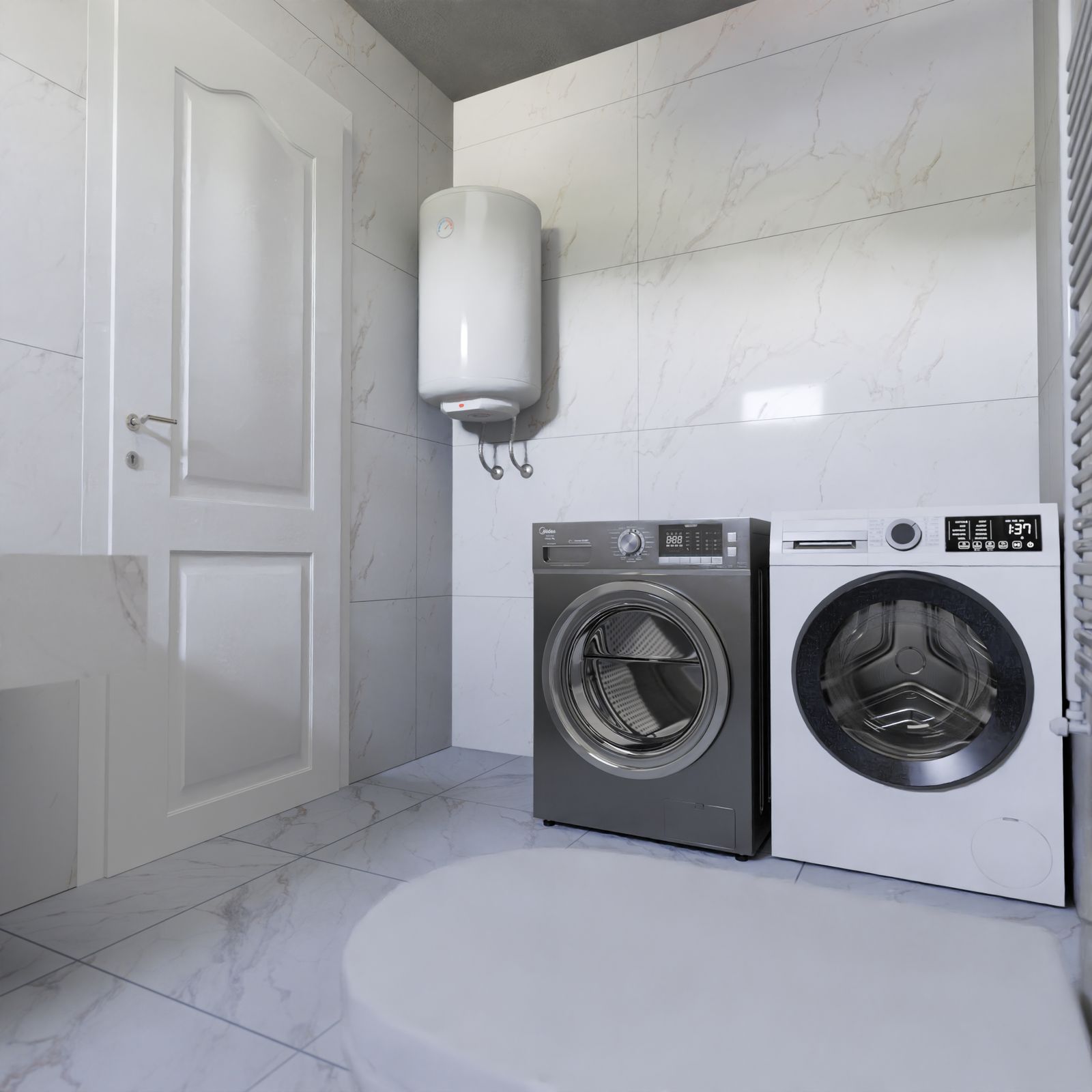
Most installation calls start the same way. The old tank has begun to leak, or it no longer keeps up, and the household is done patching it. Others are planned, such as a heater well into its second decade or a move from gas to electric.
This page walks through how a new heater gets chosen and fitted in Holiday homes, from sizing to installation day. If the old tank is dripping, start with our page on a leaking water heater. If it simply stopped heating, see no hot water to find out whether a part can fix it.
Water heater sizing: choosing a size for your household
Size is about how much hot water your household uses in its busiest stretch, not how big the house is. Four people showering back to back before school and work is a very different load from two people spread across the day. Too small, and it runs out mid-routine. Far too large, and it heats water nobody uses.
Two terms come up on the call. Recovery rate is how quickly the heater makes more hot water once the tank has been drawn down. First-hour rating is how much hot water a unit can deliver in its first hour of heavy use, and it is printed on the yellow label of most tanks. Both tell you more than the gallon number alone.
Tell the pro who lives in the house, when the busiest hour happens and whether there is a soaking tub or a second bathroom. That is enough for a sensible recommendation. If the old heater never ran out, the same size is often a safe match.
Gas, electric, heat-pump or tankless: how the pro helps you choose
Electric tanks are the most common type in Holiday homes, largely because many houses were built without a gas line. Where natural gas or propane is already in the house, a gas tank is a fair option. Heat-pump and tankless models are the other two, and each asks more of the house than a plain tank does. A new water heater install on the same fuel is usually the simplest route. Switching fuel adds work.
| Type | What the house needs | Worth a look when |
|---|---|---|
| Electric tank | A suitable electrical supply at the heater | You are replacing an electric unit in the same spot |
| Gas tank | A gas line, a flue or vent path and combustion air | The home already runs gas appliances |
| Heat-pump | Room and airflow around the unit, a power supply and a condensate drain | You want a different kind of electric heater and have the space |
| Tankless | Often a larger gas line or heavier electrical supply, plus venting on gas models | Space is tight or you want on-demand heat. See the page on a tankless water heater |
None of these suits every house. The pro looks at what is already there and gives you options with upfront pricing.
What happens on water heater installation day
Installation day follows a predictable order, so nothing should come as a surprise.
- The tech looks over the spot, the old unit’s connections and the fit of the new one before touching anything.
- Water to the heater is shut off and the old tank is drained and disconnected.
- The new heater is set in place, on a drain pan where the setup calls for one.
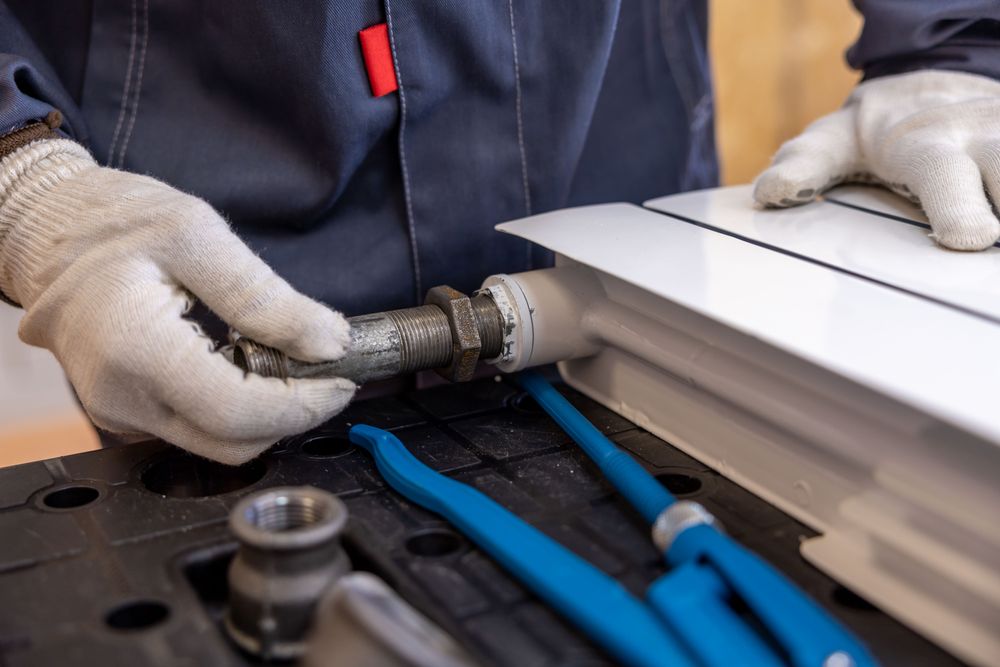
- Water lines, the relief valve and its discharge pipe are connected, along with the gas and venting or the electrical supply, depending on the type.
- The tank is filled and every joint is checked for drips before the heater is brought up to temperature.
The tech finishes by running hot water at a tap and checking again for leaks, then shows you the shutoff valve and the temperature dial. Ask them to point out both.
Have a heater in mind, or no idea yet? Describe your house and hear your options.
Talk to a water heater pro nowExpansion tank installation, venting and drain pans
Water expands as it heats. On a plumbing system that cannot push that extra volume back out, the pressure climbs, and an expansion tank gives it somewhere to go. Whether your home needs one depends on how the plumbing is set up, so the pro checks rather than assuming.
Venting applies to gas units. The flue carries exhaust out of the house, and its path, size and clearances are part of what the pro looks at. Power vent and direct vent models use a fan or a sealed intake, which can change where the heater is able to sit.
A drain pan under the heater catches small leaks and can be piped to a drain. The temperature and pressure relief valve gets a discharge pipe that runs down toward the floor, so anything it releases is directed somewhere sensible.
Permits and inspections: ask the pro
Rules about permits and inspections for water heaters vary and can change, so this page will not tell you what applies at your address. Ask the pro whether a permit is involved and who takes care of it. A clear answer to that question is a good sign.
The last question in the FAQ below is a short checklist of what else to ask.
Fitting a new heater in a Holiday garage, closet or attic
Where the heater sits changes the job. In a garage there is usually room, but damp, salty coastal air can corrode a unit’s casing and fittings, and a heater near the door may need protection from vehicles. In an indoor utility or laundry closet, space is tight. The new unit’s height and width, and the clearance needed for service, all matter, and a slightly different size can mean adjusted pipework.
If yours is in an attic, a tank overhead can damage ceilings if it ever leaks, so the drain pan and discharge route get extra attention. Holiday homes sit on slabs, so basements are not part of the picture here.
If you want the heater moved, say so on the first call. A new location means new pipework, so the scope and price change.